The Charles River Vegetation Management Plan (CRVMP) was developed by the MA Department of Conservation and Recreation (DCR), and outlines DCR’s maintenance and restoration plans for lands that border the river in Boston, Cambridge, Newton, and Watertown. Recognizing that the Charles River parks are an important resource for the community, the CRVMP aims to provide short and long term benefits for the parks through important guidance and planning for:
- Invasive species management
- Planting initiatives focused on native New England plant species
- Routine mowing and vegetation management guidelines for special events

Much of the Charles River Reservation falls under a protected status as riverfront area, vegetated wetland, buffer zone, or other designations. There are additionally many types of land including lawn, meadow, wetland, and woodland. These management practices are designed to minimize erosion and disruption to existing native vegetation, and look at the limitations of each landscape type to create specific management practices including cutting, manual and herbicide invasive treatment, and planting.
Goals for Establishing Native Plant Growth
The plan aims to establish a native plant riverbank since native plant roots extend deep into the soil unlike many exotic, non-native plants that have shallow roots structures. These deep root structures bind the soils, reduce erosion and support the overall health of watersheds by helping to absorb and filter runoff from impervious infrastructure. The abundance and diversity of native flora will improve filtration of stormwater runoff from the road and bike path before it affects the watershed. Native vegetated shoreline habitat will also protect the riverbank from storm damage and erosion, which will be of increasing importance, as we face projected increases, frequency and severity of extreme temperature and weather events due to climate change, including regular and severe flooding, temperature increases, and erratic weather conditions. Vegetation management will also support wildlife that use both the river and adjacent habitat and provide community members with opportunities to volunteer in and experience native ecosystems. All of these management activities are permitted through municipal governments with goals of protecting the ecological and cultural value of the Charles River and its parks and ensuring public access to the land for recreation.
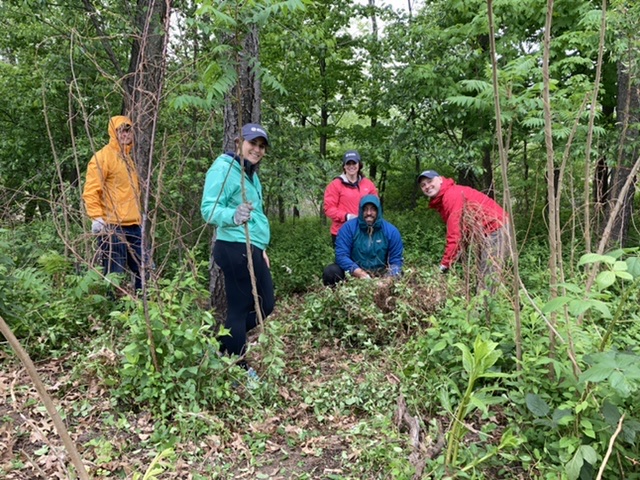
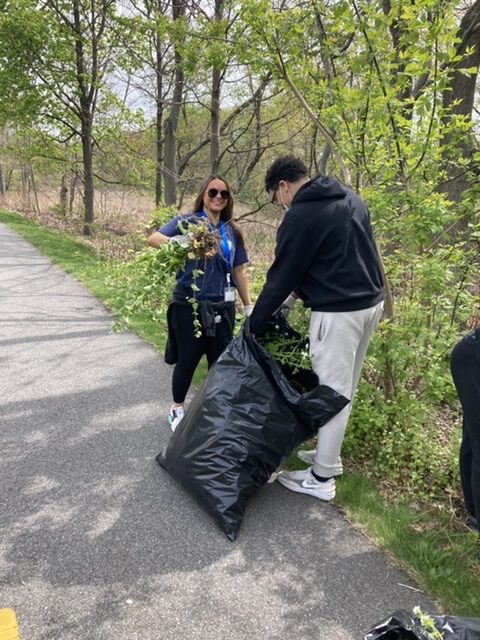
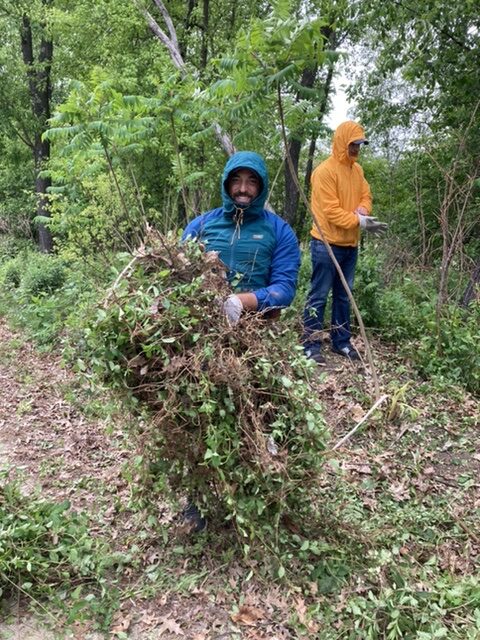
The CRVMP permits invasive plant management activities by licensed and certified contractors for herbicide application and large cutbacks, while the DCR coordinates with cities and other partners like the CRC for manual removal. Through our volunteer programs, community members assist with critical invasive plant management and native replanting projects outlined and permitted through the CRVMP. CRC volunteers perform critical manual invasive species removal, by hand pulling and cutting invasive plants, vines, and roots, contributing to the shared vision of a healthier and more resilient park ecosystem.
CRVMP IN ACTION
- Vegetation Test Plots: In 2021, DCR installed test plots to inform future native planting and restoration efforts along the Charles River, helping to make the parks and river more resilient for future generations. These vegetation test plots contain a mix of woody and herbaceous plants that are native to this region, and are better suited to our local ecosystems than non-native plants commonly found in parks and lawns. Since 2021, the CRC has assisted the DCR in monitoring and maintaining four of these plots. Monitoring provides valuable data on which plants are best suited to the maintenance challenges, needs, and changing conditions of these parks.
- Magazine Beach Shoreline: The CRC continues to support the shoreline restoration project at Magazine Beach that was installed by DCR in 2019 with supplemental monitoring and maintenance. Magazine Beach is a frequent location for volunteer events where we are able to teach volunteers about the impact of invasive plant species as well as conduct management to protect the native plantings installed along the shoreline. The CRC also supports the project in other ways such as infrastructure upkeep and native grasses and wildflowers reseeding.
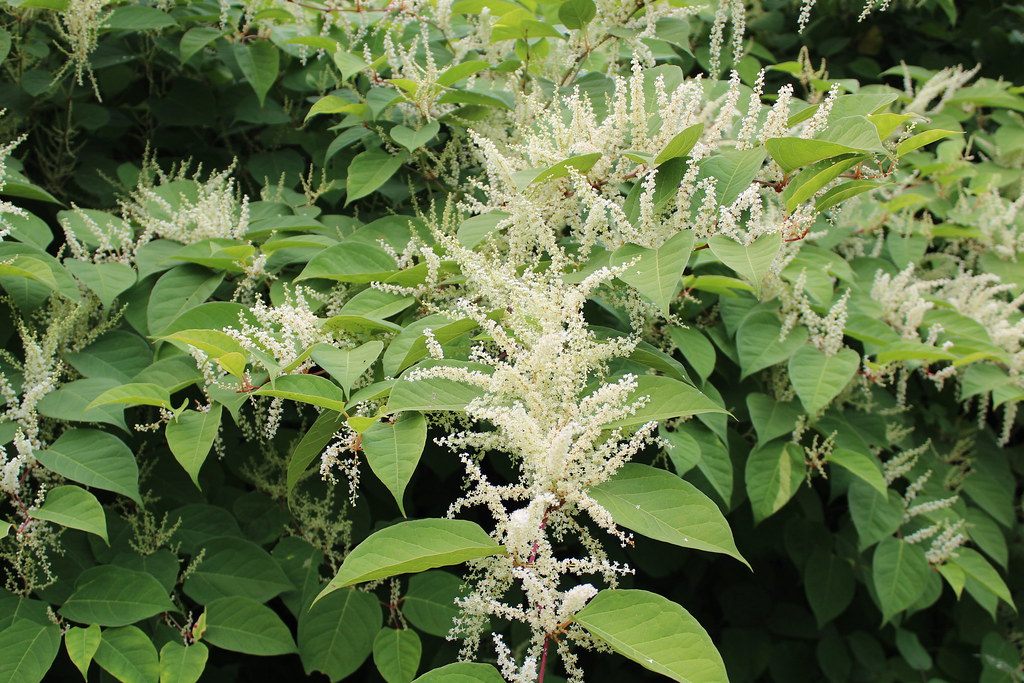
- Hell’s Half Acre: This 7.5 acre undeveloped zone along Greenough Boulevard has provided a refuge for Cambridge’s human and wildlife populations alike for decades. The CRC is part of a joint restoration effort with DCR to return more native plants to the area and create a more robust ecosystem. Mechanical and chemical management techniques were employed to remove invasive species such as phragmites and Japanese knotweed to make space for new plantings. This is an ongoing effort, as continued monitoring and management is needed to ensure success. CRC volunteers are able to participate in the restoration effort by taking part in mechanical invasive species control. Read our project proposal here.

SUPPORTERS
We are grateful for funding from the following partners who have enabled our work in Hell’s Half Acre:
- Dept. of Conservation and Recreation Partnership Matching Funds Program
- City of Cambridge Community Preservation Act Funds
- Bilezikian Family Foundation
- Carol and Paul Fremont-Smith
- Cambridge Plant & Garden Club
- Harvard Business School
- Lawrence and Lillian Solomon Foundation
- RBC Foundation – USA
Interested in supporting our restoration work? Contact Laura Jasinski, ljasinski@thecharles.org.